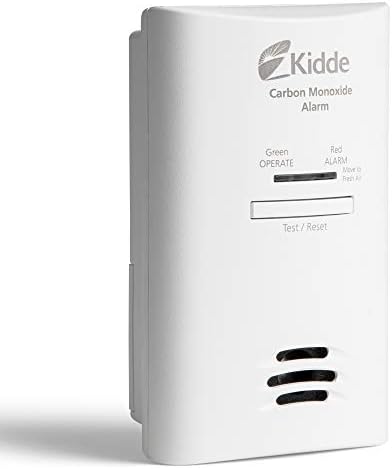
Working smoke and carbon monoxide detectors are the single most important safety devices in your home. Proper placement and regular maintenance can be the difference between life and death in an emergency.
STEP 1: Determine How Many and Where to Place Them
Install smoke detectors inside every bedroom, outside each sleeping area, and on every level of the home including the basement. Install CO detectors on every level and near sleeping areas. Combination smoke/CO units reduce the number of devices you need.
STEP 2: Mount on the Ceiling or High on a Wall
With the groundwork laid, smoke rises, so ceiling mount is ideal — place the detector in the center of the ceiling or at least 4 inches from a wall. If wall-mounting, place it 4-12 inches below the ceiling. Never install in the kitchen (false alarms) or bathroom (steam triggers).
STEP 3: Install the Mounting Bracket
Moving forward with confidence, hold the bracket against the ceiling, mark the screw holes with a pencil, drill pilot holes, and screw the bracket in place. For drywall ceilings without joists at your location, use drywall anchors — detectors are light but need to stay mounted permanently.
STEP 4: Attach the Detector and Power It
To strengthen your results even more, twist the detector onto the mounting bracket until it clicks. Insert batteries (most use 9V or AA). For hardwired models, connect the wires to your home’s electrical system — black to black, white to white, and connect the interconnect wire if you want all alarms to sound simultaneously.
STEP 5: Test and Maintain Regularly
With everything else in place, the final step is press the test button to confirm a loud alarm sounds. Test every month, replace batteries annually (or when the low-battery chirp starts), and replace the entire detector every 10 years — the sensor degrades over time and may not detect smoke reliably even if the test button works.
PRO TIPS
Q: How many smoke detectors do I need in my house?
A: Write the installation date on the back of every detector with a permanent marker. After 10 years, replace it regardless of whether it appears to be working. A 10-year-old detector can pass a button test but fail to detect real smoke.
Q: How often should smoke detectors be replaced?
A: Buy 10-year sealed lithium battery detectors so you never have to change batteries. They cost a few dollars more than standard detectors but eliminate the dead-battery chirp at 3 AM and the annual battery replacement task.
Q: Are combination smoke and CO detectors worth it?
A: If your detectors are interconnected — where one going off triggers all of them — a house fire that starts in the basement will wake everyone on the second floor. Interconnection is the most important safety upgrade you can make, especially in larger homes.
SUPPLIES NEEDED
Smoke detectors (one per bedroom plus hallways)
CO detectors (one per level)
9V or AA batteries
Drill and drill bits
Drywall anchors
Screwdriver
Permanent marker for dating
Products from Amazon

This site contains affiliate links. As an Amazon Associate I earn from qualifying purchases.