Small concrete cracks grow into big ones when water seeps in and freezes. Patching cracks early takes minutes, costs a few dollars, and prevents the kind of damage that requires a full slab replacement.
STEP 1: Clean Out the Crack
Use a cold chisel and hammer to widen the crack slightly and remove loose material — this gives the filler more surface area to grip. Blow out dust with compressed air or a shop vacuum. For narrow cracks, a wire brush works well.
STEP 2: Choose the Right Filler
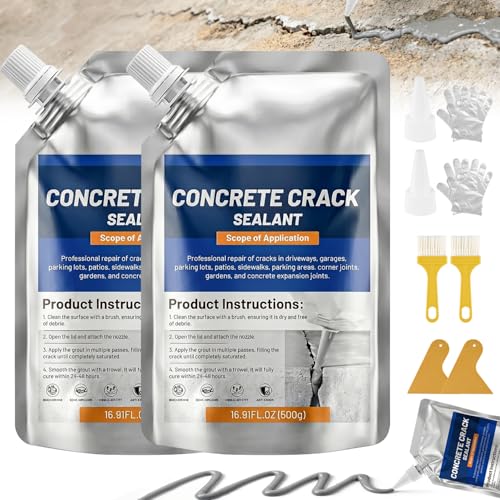
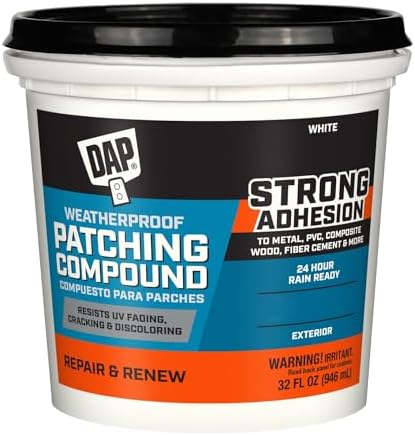
Now that you have the starting point, for cracks under 1/2 inch wide, use a concrete crack filler in a caulk tube — it is flexible and accommodates seasonal movement. For cracks over 1/2 inch, use a concrete patching compound mixed to a thick consistency. For deep cracks, fill the bottom with sand first to within 1/4 inch of the surface.
STEP 3: Apply the Filler
Moving forward with confidence, for caulk-type filler, cut the tip and apply directly into the crack, slightly overfilling. For patching compound, trowel it into the crack and press firmly to eliminate air pockets. Smooth the surface level with the surrounding concrete using a trowel or putty knife.
STEP 4: Allow Proper Cure Time
This step ties the earlier work together. most crack fillers need 24 hours to cure before foot traffic and 48-72 hours before vehicle traffic. Keep the repair moist by misting with water or covering with plastic for the first 24 hours — concrete products cure stronger when they dry slowly.
STEP 5: Seal the Surrounding Area
The last piece of the puzzle is after the patch cures, apply a concrete sealer over the repair and surrounding area to prevent water from re-entering the crack. Sealing the entire slab every 2-3 years is the best long-term prevention against new cracks.
PRO TIPS
Q: What type of concrete crack filler lasts the longest?
A: Flexible polyurethane crack filler lasts far longer than rigid cement-based fillers in climates with freeze-thaw cycles. Rigid fillers crack again because concrete expands and contracts with temperature. Flexible fillers move with it.
Q: How do I color match a concrete patch?
A: For a color-matched repair, mix concrete dye into patching compound to match your existing slab. Fresh patches are always lighter than aged concrete, and the mismatch becomes more obvious over time without tinting.
Q: When are concrete cracks a sign of a bigger problem?
A: If cracks are wider than 1 inch, actively growing, or the slab has shifted unevenly, the problem may be structural — poor drainage, tree roots, or soil erosion underneath. Address the cause before patching or the cracks will return.
SUPPLIES NEEDED
Concrete crack filler or patching compound
Cold chisel and hammer
Wire brush or shop vacuum
Trowel or putty knife
Concrete sealer
Safety glasses
Products from Amazon

This site contains affiliate links. As an Amazon Associate I earn from qualifying purchases.