A wooden fence takes a beating from wind, rain, and sun. Replacing damaged boards and reinforcing wobbly posts extends the life of your fence by years and costs a fraction of a full replacement.
STEP 1: Assess the Damage
Walk the entire fence line and identify broken, warped, or rotted boards, loose or leaning posts, and damaged rails. Mark everything that needs repair. Boards and rails are easy to replace. Posts are the most critical — a leaning post affects the entire fence section.
STEP 2: Replace Damaged Fence Boards
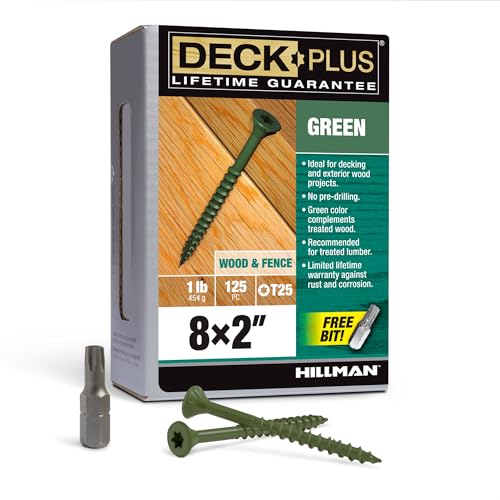
With the groundwork laid, pry off the damaged board using a pry bar. If the nails are stubborn, cut them with a reciprocating saw flush with the rail. Measure and cut a new board to match. Attach it to the rails using 2-inch exterior screws or galvanized ring-shank nails — two fasteners per rail.
STEP 3: Fix or Replace Broken Rails
Now that the first pieces are in place, if a horizontal rail has broken or rotted, remove the boards from that section, unscrew or pry the rail from the posts, and install a new rail using the same size lumber. Drive screws through the rail into the post at a slight angle for maximum holding power.
STEP 4: Stabilize a Leaning Post
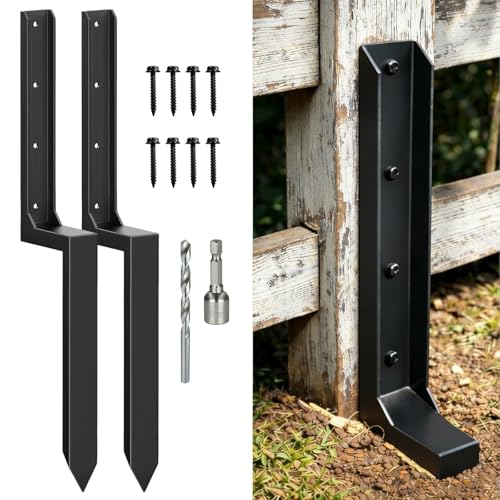
With the main work complete, for a post that is leaning but not rotted, dig around the base and add concrete to strengthen the footing. Brace the post plumb with temporary stakes while the concrete sets for 24-48 hours. For rotted posts, install a steel post mender bracket that bolts to the remaining solid wood above ground level.
STEP 5: Seal or Stain to Protect the Repair
With everything else in place, the final step is apply a water-repellent wood sealer or exterior stain to the new boards and any exposed bare wood. Untreated wood weathers and deteriorates far faster than sealed wood. For best results, seal the entire fence at the same time so the color matches.
PRO TIPS
Q: How do I replace a broken fence board?
A: Use pressure-treated lumber for all fence repairs — it resists rot and insects far longer than untreated wood. Even if the original fence was cedar, pressure-treated replacement boards are fine since they will be stained to match anyway.
Q: Should I use pressure-treated wood for fence repairs?
A: Pre-drill screw holes when attaching boards to prevent splitting, especially near the ends of boards. A split board looks worse than the one you just replaced and will need to be done again.
Q: How do I fix a leaning fence post without replacing it?
A: If multiple posts are leaning in the same direction, the cause is usually wind or soil erosion rather than rot. Adding concrete to the base of each post and grading the soil to slope away from the fence prevents future leaning.
SUPPLIES NEEDED
Replacement fence boards (pressure-treated or cedar)
Exterior wood screws 2-inch
Quick-set concrete mix (for post repair)
Pry bar
Circular saw or miter saw
Drill and drill bits
Level
Exterior wood stain or sealer
Posthole digger (if replacing posts)
Products from Amazon

This site contains affiliate links. As an Amazon Associate I earn from qualifying purchases.