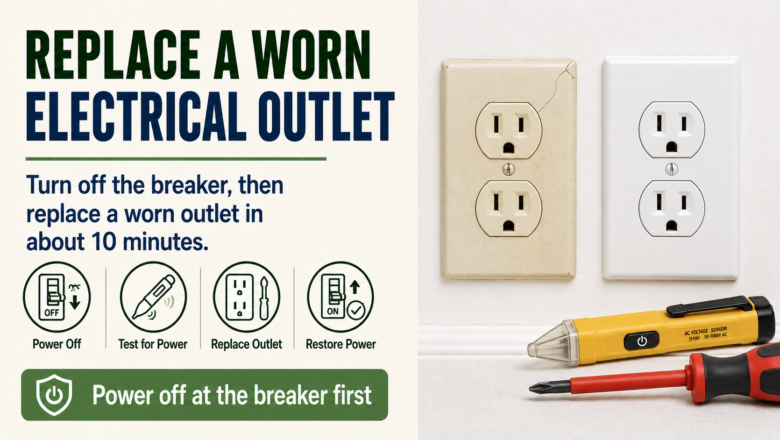
Replacing a worn, cracked, or discolored electrical outlet is a quick upgrade that takes about 10 minutes. If you can turn off a breaker and use a screwdriver, you can do this safely.
STEP 1: Turn Off Power at the Breaker Box
Flip the breaker that controls the outlet. Plug in a lamp or use a non-contact voltage tester to confirm the outlet is dead before touching anything. Never rely on just flipping the switch — always verify with a tester.
STEP 2: Remove the Old Outlet
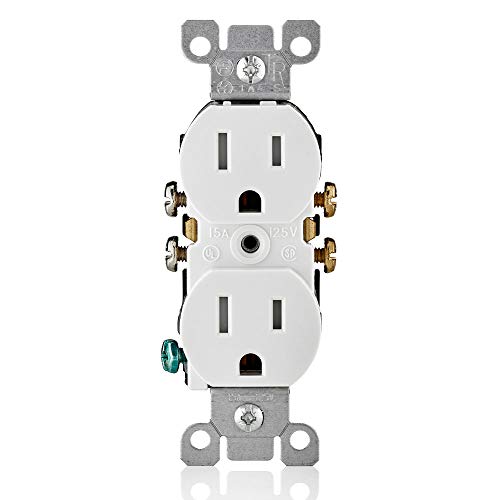
With that foundation in place, unscrew the cover plate, then remove the two screws holding the outlet to the electrical box. Gently pull the outlet out and note how the wires are connected — black (hot) to brass screws, white (neutral) to silver screws, bare copper (ground) to green screw.
STEP 3: Disconnect and Reconnect Wires
Here is where the real progress begins. loosen the terminal screws and remove the wires from the old outlet. Attach them to the new outlet in the same configuration: black to brass, white to silver, ground to green. Hook each wire clockwise around the screw so tightening the screw pulls the wire tighter.
STEP 4: Secure the Outlet and Cover Plate
Taking this a step further, push the outlet back into the box carefully without pinching wires. Tighten the mounting screws so the outlet sits flush and straight. Attach the new cover plate.
STEP 5: Restore Power and Test
To bring everything together and finish strong, turn the breaker back on. Plug in a lamp or outlet tester to confirm the outlet works. An outlet tester costs $5-10 and verifies correct wiring — it will indicate if hot and neutral are reversed or if the ground is missing.
PRO TIPS
Q: Do I need to turn off the breaker to change an outlet?
A: Always use a non-contact voltage tester before touching any wires — even after flipping the breaker. Mislabeled panels are common, and the wrong breaker may still be on. A tester costs under $20 and could save your life.
Q: Can I replace a two-prong outlet with a three-prong?
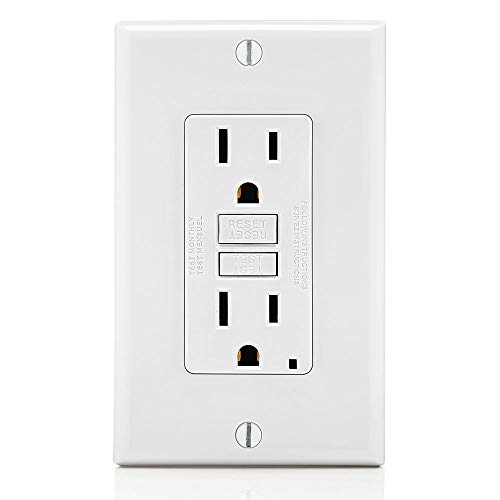
A: If upgrading old two-prong outlets to three-prong, check if a ground wire exists in the box. If there is no ground wire, you cannot simply install a three-prong outlet — you need a GFCI outlet or a new ground wire run by an electrician.
Q: How do I match outlet amperage to my circuit?
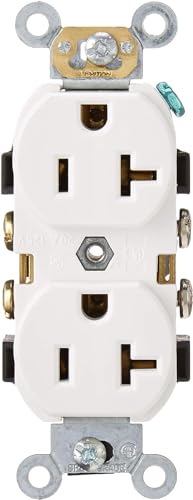
A: Match the outlet amperage to the circuit. Most household circuits are 15-amp (use standard outlets) or 20-amp (use 20-amp outlets with a T-shaped neutral slot). Installing a 15-amp outlet on a 20-amp circuit is a code violation.
SUPPLIES NEEDED
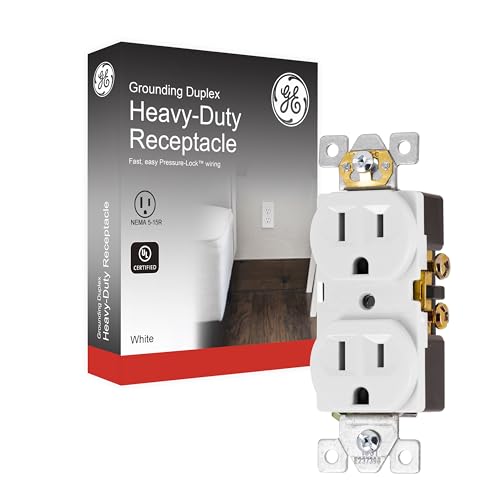
Replacement electrical outlet (15A or 20A)
Non-contact voltage tester
Phillips and flathead screwdrivers
Outlet tester
New cover plate
Products from Amazon

This site contains affiliate links. As an Amazon Associate I earn from qualifying purchases.