A clogged drain is one of the most common household problems — and one you almost never need a plumber for. Whether your kitchen sink is draining slowly, your bathroom sink is backed up with hair, or your shower is pooling water around your feet, unclogging a drain yourself takes 15-30 minutes and costs under $10 in materials. Understanding how to unclog a drain without chemicals protects your pipes and saves the $150-300 a plumber would charge for the same fix.
STEP 1: Try Boiling Water First for the Simplest Fix
Before reaching for any tools, boil a full kettle of water and pour it slowly down the drain in two or three stages, waiting a few seconds between each pour. Boiling water dissolves soap scum, grease, and minor buildup that causes slow draining. This simple step solves about 30 percent of slow drain problems without any additional effort.
STEP 2: Remove Visible Debris From the Drain Opening
Now that you have the starting point, if boiling water did not solve the problem, remove the drain stopper or cover and pull out any visible hair, soap, or debris. A pair of needle-nose pliers or a bent wire hanger works well for reaching into the drain opening to extract the clog. In bathroom sinks, a wad of hair wrapped around the stopper mechanism is the most common cause of slow draining.
STEP 3: Use a Plunger to Clear Deeper Blockages
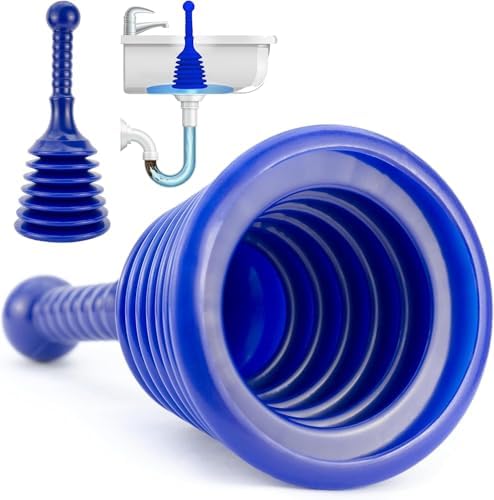
With surface debris removed, a cup plunger (the flat-bottomed kind, not the flanged toilet plunger) creates pressure that dislodges clogs deeper in the pipe. Fill the sink with 2-3 inches of water to create a seal, place the plunger firmly over the drain, and pump vigorously 15-20 times. The alternating pressure and suction breaks up and moves blockages through the pipe.
STEP 4: Try Baking Soda and Vinegar for Stubborn Clogs
With the core work behind you, for clogs that resist plunging, pour 1/2 cup of baking soda down the drain followed by 1/2 cup of white vinegar. The chemical reaction fizzes and breaks down organic buildup. Cover the drain opening with a wet cloth to direct the pressure downward into the clog. Wait 30 minutes, then flush with hot water. This natural approach is gentler on your pipes than commercial chemical drain cleaners.
STEP 5: Use a Drain Snake for the Toughest Blockages
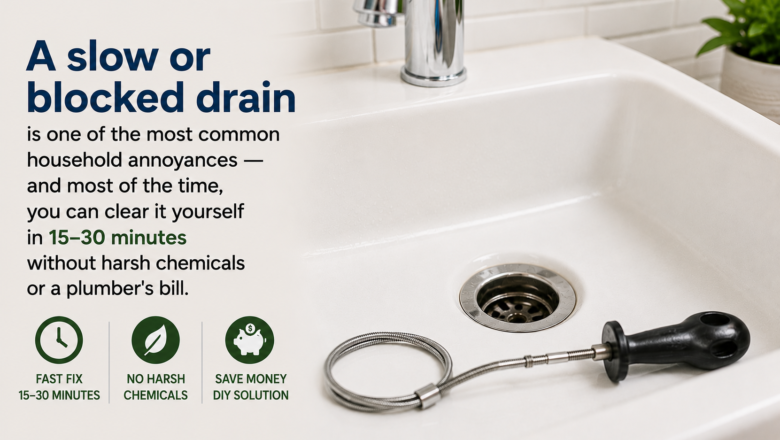
To bring everything together and finish strong, if the clog persists after trying the previous methods, a drain snake (also called a plumber’s auger) physically breaks through the blockage. Feed the flexible cable into the drain while turning the handle. When you feel resistance, you have reached the clog — continue turning to break it up or hook it for removal. A basic 25-foot drain snake costs $15-25 at any hardware store and handles virtually any household drain clog.
PRO TIPS
Q: Why should I avoid using chemical drain cleaners like Drano?
A: Chemical drain cleaners contain harsh caustic agents that can corrode older pipes, damage garbage disposals, and create dangerous fumes — especially if mixed with other cleaning products. They also often fail to fully clear the clog, leaving weakened pipes with a partially dissolved blockage. Mechanical methods like plunging and snaking are more effective, safer for your plumbing, and better for the environment.
Q: How do I prevent drains from clogging in the first place?
A: Use a mesh drain screen over every drain to catch hair and debris before it enters the pipe. Run hot water for 30 seconds after each use to flush grease and soap through. Never pour cooking grease down the drain — it solidifies in the pipe and creates blockages. A monthly flush with boiling water keeps pipes clear with minimal effort.
Q: When should I actually call a plumber for a clogged drain?
A: Call a plumber if multiple drains in your home are clogged simultaneously — this indicates a main sewer line blockage that requires professional equipment. Also call if you smell sewage, see water backing up into other fixtures when you flush, or if the clog keeps returning despite clearing it. Recurring clogs in the same drain may indicate a deeper pipe issue.
SUPPLIES NEEDED
Kettle for boiling water
Needle-nose pliers or wire hanger
Cup plunger (flat-bottomed)
Baking soda and white vinegar
25-foot drain snake ($15-25)
Mesh drain screens for prevention
Products from Amazon

This site contains affiliate links. As an Amazon Associate I earn from qualifying purchases.